
"Jean Pauchard"
307 article(s) found

Coffee flavors from different coffee producing areas around the world coffee producing areas in Venezuela
Venezuela introduced coffee trees from Martinique as early as 1730, but coffee production was almost abandoned at the height of the oil industry. Recently, coffee plantations have begun to recover, with original Tipica and bourbon coffee trees and new plantations laying the foundation for coffee exports.

Introduction of Venezuelan coffee beans with smooth taste and sweet taste
One of the many plantations in Merida at the foot of the Andes belongs to the Pablo and Pulido families, an ancient farm that has been allowed to downsize. Since taking over the farm in the early 1980s, the Pulido family has harvested coffee from existing bourbon coffee trees and planted new tree species.

Venezuelan coffee beans with lighter weight, fuller particles and weaker acidity
Venezuela's best coffees are Montebello from San Cristbal de Tachira, Miramar from Rubio de Tachira, Granija from Timote de Merida and San Ana from Tachira.

Venezuelan coffee features San Cristobal producing area
One of the many plantations in Merida at the foot of the Andes belongs to the Pablo and Pulido families, an ancient farm that has been allowed to downsize. Since taking over the farm in the early 1980s, the Pulido family has harvested coffee from existing bourbon coffee trees and planted new tree species to expand farming.

Characteristics of Arabica beans Coffee producing countries Coffee producing countries Venezuela
Venezuela's distinctive manor coffee comes from this oil-rich country. Oil was once considered to be the main export of Venezuela. Although coffee trees were introduced from Martinique in 1730 and Venezuela, coffee production was almost abandoned at the height of the oil industry. Recently, the coffee plantation has begun to recover, and the original Tippica (

Smooth and sweet Venezuelan coffee beans introduce boutique coffee
The best coffee names in Venezuela are: Montebello in San Cristobal (San Cristbal de Tachira) in Tazira, Miramar in Rubio (Rubio de Tachira) in Tazira, Granija in Timothe (Timote de Merida) in Merida, and Santa Ana in Tacira (San)

The Venezuelan coffee producing area of San Cristobal, located in Tazira in the southwest.
The characteristics of Venezuelan coffee: Venezuelan coffee taste is different from other coffee in Latin America, it is delicious, light, less sour than traditional coffee, which makes it not only blended but also unique. Flavor: rich and delicious fruit flavor suggested baking method: medium to deep roasting, multi-purpose ★★: good Venezuelan coffee market: at present

Introduction of the delicious and light Venezuelan coffee producing area of San Cristobal
One of the many plantations in Merida at the foot of the Andes belongs to the Pablo and Pulido families, an ancient farm that has been allowed to downsize. Since taking over the farm in the early 1980s, the Pulido family has harvested coffee from existing bourbon coffee trees and planted new tree species.
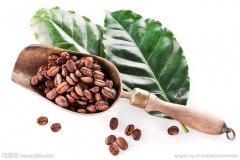
Coffee in Venezuela Other Coffee in Latin America Boutique Coffee
The distinctive manor coffee comes from this oil-rich country. Oil was once considered Venezuela's main export. Although coffee trees were introduced from Martinique as early as 1730 and Venezuela, coffee production was almost abandoned during the heyday of the oil industry. Coffee plantations have recently begun to revive, with the original plantations of Tipica and

Smooth and sweet Venezuelan coffee beans
The best coffee names in Venezuela are: Montebello in San Cristobal (San Cristbal de Tachira) in Tazira, Miramar in Rubio (Rubio de Tachira) in Tazira, Granija in Timothe (Timote de Merida) in Merida, and Santa Ana in Tacira (San)

Venezuela's distinctive manor coffee comes from this oil-rich country.
The distinctive manor coffee comes from this oil-rich country. Oil was once considered to be the main export of Venezuela. Although coffee trees were introduced from Martinique in 1730 and Venezuela, coffee production was almost abandoned at the height of the oil industry. Recently, coffee plantations have begun to recover, with the original planting of Tipica and

Delicious and light Venezuelan coffee beans from San Cristobal area
Venezuelan Coffee Coffee Venezuela's distinctive manor coffee comes from this oil-rich country. Oil was once considered to be the main export of Venezuela. Although coffee trees were introduced from Martinique in 1730 and Venezuela, coffee production was almost abandoned at the height of the oil industry. Recently, coffee plantations have begun to resume.
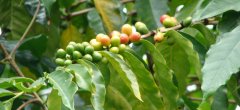
Venezuela is grown in San Cristobal Montibelo Coffee in Tazira.
The distinctive manor coffee comes from this oil-rich country. Oil was once considered to be the main export of Venezuela. Although coffee trees were introduced from Martinique in 1730 and Venezuela, coffee production was almost abandoned at the height of the oil industry. Recently, coffee plantations have begun to recover, with the original planting of Tipica and

Introduction of Venezuelan coffee beans with smooth taste and sweet taste
Venezuelan Coffee Coffee Venezuela's distinctive manor coffee comes from this oil-rich country. Oil was once considered to be the main export of Venezuela. Although coffee trees were introduced from Martinique in 1730 and Venezuela, coffee production was almost abandoned at the height of the oil industry. Recently, coffee plantations have begun to resume.

The delicious and light Venezuelan coffee producing area introduces San Cristobal
One of the many plantations in Merida at the foot of the Andes belongs to the Pablo and Pulido families, an ancient farm that has been allowed to downsize. Since taking over the farm in the early 1980s, the Pulido family has harvested coffee from existing bourbon coffee trees and planted new tree species.

The San Cristobal producing area of the coffee farm in Venezuela
Venezuelan Coffee Coffee Venezuela's distinctive manor coffee comes from this oil-rich country. Oil was once considered to be the main export of Venezuela. Although coffee trees were introduced from Martinique in 1730 and Venezuela, coffee production was almost abandoned at the height of the oil industry. Recently, coffee plantations have begun to resume.

The characteristic manor coffee comes from this oil-rich country, Venezuela.
The distinctive manor coffee comes from this oil-rich country. Oil was once considered to be the main export of Venezuela. Although coffee trees were introduced from Martinique in 1730 and Venezuela, coffee production was almost abandoned at the height of the oil industry. Recently, coffee plantations have begun to recover, with the original planting of Tipica and

Parisian boutique coffee is not necessarily for drinking.
If you think coffee is for drinking, then you must have never been to Paris. In the streets of Paris, a cup of coffee, a seat, maybe an afternoon. I think there is no other city in the world that gives you such a leisurely feeling like a cafe in Paris. Many people say that the French carve their pride into their bones, their romance on their faces, and their feelings.

Venezuelan coffee is delicious and light, with less sour taste than traditional coffee.
Oil was once considered to be the main export of Venezuela. Although coffee trees were introduced from Martinique in 1730 and Venezuela, coffee production was almost abandoned at the height of the oil industry. Recently, coffee plantations have begun to recover, with original Tipica and bourbon coffee trees and new plantations laying the foundation for coffee exports.
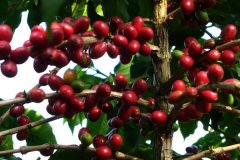
The best coffee producing area in Venezuela is the southwestern state of Tazira.
Venezuela oil was once considered the main export of Venezuela (Venezuela). Although coffee trees were introduced from Martinique in 1730 and Venezuela, coffee production was almost abandoned at the height of the oil industry. Recently, coffee plantations have begun to recover, with the original Tipica and bourbon coffee trees and new plantations for coffee.